


In recognition of Mental Health Awareness Month, let’s highlight a condition that affects about 1 in 7 individuals after childbirth but is often missed: Postpartum Depression (PPD). PPD is a serious, longer lasting mood disorder that can occur anytime during pregnancy or within the first year after birth. It may involve intense sadness, anxiety, exhaustion, or feeling disconnected from the baby. PPD is not a character flaw or a personal failure—no one can guarantee prevention. However, recognizing symptoms early and having strong support can make a meaningful difference.
Below are strategies that may help reduce risk and support early detection and treatment.
- Sleep. Before delivery, moms and new parents can start discussing a realistic sleep plan with their support system. Aiming for 4–5 hours of uninterrupted rest can be helpful, with a partner or support person caring for the newborn during that window. Many families find it useful for the birthing parent to go to bed early (for example, 8 p.m. to 1 a.m.) and then switch roles.
- Realistic expectations around breastfeeding. New parents often hear strong messages about the benefits of breastfeeding, yet may not be aware that it can be challenging—or not possible—for some mom–baby pairs. Moms wishing to breastfeed should seek early lactation support, including in the hospital. There are many resources and supports available for breastfeeding moms (see Orange County Community Breastfeeding Resources). If breastfeeding starts to feel overwhelming, frustrating, or emotionally distressing, supplementing with formula can be a healthy and supportive choice while continuing to breastfeed. The mental wellbeing of the birthing parent is an important part of any feeding decision. Choosing to stop breastfeeding — or not to start at all — is never a sign of personal failure. It’s a thoughtful decision made with your well‑being and your baby’s needs in mind. If formula is used, skin-to-skin time during feedings can still support bonding.
- Breaks and personal time. Planned breaks without childcare or household responsibilities are essential. Ideally this is more than an hour each day, but even a few breaks per week can support mental health. This time can be used for showering, light exercise, or simple relaxation.
- Accepting help. Support networks often want to be involved but may not know how. Creating a list of tasks others can help with—preparing a meal, holding the baby while the caregiver showers, offering transportation, or providing companionship—can make it easier to say “yes” when help is offered. See the California Surgeon General's "One Small Thing" for ideas.
- Exercise. Once medically cleared, engaging in regular physical activity can significantly improve mood for new moms. Activities like walking with the baby in a stroller or carrier may be more accessible in the early months. The key is choosing something enjoyable and sustainable.
- Community and connection. Having a supportive community of other new parents can make a tremendous difference. Many hospitals, clinics, and community organizations offer parent and baby groups that provide encouragement, practical guidance, and a comfortable setting to connect with others.
- Mindful presence. Moms experiencing PPD or postpartum blues may find it difficult to enjoy time with their newborn due to worry or racing thoughts. Mindfulness can help build connection and reduce depressive symptoms. A simple loving‑kindness practice—while holding a calm, feeding, or sleeping baby—can involve focusing on the breath, letting thoughts pass, envisioning a sense of safety around both parent and baby, or silently repeating phrases such as “may you be safe, may you be healthy, may you be loved.”
- Early detection. Even with prevention strategies, some individuals will still experience PPD. It does not occur due to lack of effort and can affect anyone. Postpartum “blues” are common and usually resolve within 2–3 weeks. When symptoms last longer, become severe, or interfere with daily function, PPD may be present. Symptoms can also include intense anxiety or difficulty sleeping. It is important to talk with loved ones or healthcare providers, even if medication is not desired—there are many treatment options. The National Maternal Mental Health Hotline is a free, confidential service available 24/7 by calling or texting 1-833-TLC-MAMA (852-6262). Rare but serious symptoms, such as hearing voices, believing something bad has happened to the baby, or thoughts of harming oneself or the child, require immediate professional support, and the individual should not be left alone with the baby until care is in place. Call OC Links at 855-625-4657 for 24/7 crisis support.
- Expectant management. A history of depression increases the risk of PPD. Addressing factors such as trauma, significant stress, ineffective coping habits, or negative self-image with a therapist during pregnancy can be protective. Planning postpartum follow up with a psychiatrist or therapist is beneficial. Those who have previously responded well to medication may discuss planning ahead with their provider—either having medication available if symptoms emerge or starting preventative treatment right after delivery. Mom, along with her partner or support person, should review the early signs of PPD and prepare a plan for addressing symptoms if they occur.
While PPD cannot be fully prevented, addressing common challenges and planning in advance can reduce the risk of prolonged or untreated symptoms. Feelings of guilt, hopelessness, or being overwhelmed can make it difficult to seek help, but early support can significantly improve recovery and well‑being for both the caregiver and the baby.
Helpful Resources
- National Maternal Mental Health Hotline: Free confidential, and here to help, 24/7. Call or text 1-833-TLC-MAMA (1-833-852-6262); Chat
- OC HCA Behavioral Health Services: OC Links, available 24/7, 855-625-4657
- Orange County Community Breastfeeding Resources
- Postpartum Support International: HelpLine English | Spanish Call (800) 944-4PPD (4773)
- Every Parent OC: Maternal Mental Health: Moms Need Support Too
- Every Parent OC: Moms: You’re NOT Alone – Make Time for Your Mental Health and Self-Care
- OCNavigator: Resources for Pregnancy and Postpartum Support
- HealthyChildren.org (American Academy of Pediatrics): Depression and Anxiety During Pregnancy and After Birth English | Spanish
- HealthyChildren.org (American Academy of Pediatrics): How Taking Care of Yourself Makes You a Better Mom English | Spanish
- California Department of Public Health: Maternal Mental Health
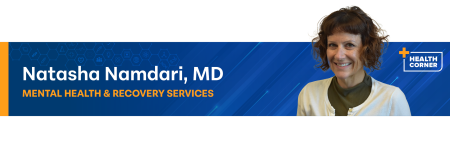
About Dr. Natasha Namdari
Dr. Natasha Namdari is a psychiatrist at the OC Health Care Agency, specializing in severe persistent mental illness. She received her MD from Rush University in Chicago and completed a combined residency in Internal Medicine and Psychiatry at Duke University in North Carolina. She has practiced psychiatry in Southern California for 10 years.
Links in this section relate to Body