


You wake up in the morning with a scratchy throat. You’re feeling warm, your nose is stuffed, and you have a full day ahead. You don’t have time to be sick. Maybe some antibiotics will do the trick and nip this in the bud. And if they don’t help, at least it doesn’t hurt to try—right?
Actually, it can hurt.
Antibiotics save lives when used to treat bacterial infections. However, antibiotics don’t work for every illness, and taking them when they aren’t needed can cause harm. They can also cause unpleasant and sometimes dangerous side effects. Using them when they’re not needed can lead to unintended consequences, including the development of antibiotic-resistant bacteria. Understanding when antibiotics are helpful, and when they are not, is an important step in protecting your health and preserving these medications for the future.
Not Every Illness Needs Antibiotics
Just because you’re not feeling well doesn’t mean antibiotics will help you recover faster. Antibiotics only treat infections caused by bacteria. Most colds, cases of bronchitis, and even many sinus infections are caused by viruses. In those situations, antibiotics will not make you better or speed up your recovery.
There are also situations where bacteria are present in the body, but antibiotics still aren’t helpful. For example, you may have bacteria in your urine but feel perfectly fine. This is called asymptomatic bacteriuria, and it is common and harmless. Treating it with antibiotics offers no benefit.
Antibiotics and Dental Care
Many people are surprised to learn that antibiotics are not the answer to every dental problem either.
While dentists sometimes prescribe antibiotics to treat bacterial infections, antibiotics will not relieve a toothache caused by injury, inflammation, or many other dental conditions. Treating the underlying dental problem is the main solution. It’s important to talk with your dentist about when antibiotics are—and are not—needed as part of your care.
Penicillin Allergy – Not As Common As You May Think
About 10% of US patients report a penicillin allergy—but when properly evaluated, fewer than 1% actually are allergic. That mis-label can lead to using less effective, more expensive antibiotics—and even fuel drug resistance. If you think you're allergic, talk to your doctor about confirming your status and getting the right treatment.
Antibiotics Are Not Risk-Free
While they are essential in the right circumstances, antibiotics, like any medication, can also cause side effects such as rash, dizziness, nausea, diarrhea, and yeast infections. More serious complications can occur as well. Antibiotics can disrupt the body’s normal bacteria and increase the risk of clostridium dificile (C. Diff) infection, which can lead to severe diarrhea, colon damage, hospitalization, and even death. Some individuals may experience severe, life-threatening allergic reactions. In fact, antibiotic reactions account for 1 in 5 medication‑related emergency department visits. In children, antibiotics are the most common cause of such visits.
Why Responsible Antibiotic Use Matters
Using antibiotics when they are not needed can contribute to a growing public health problem known as antimicrobial resistance.
Antimicrobial (or drug) resistance occurs when bacteria learn to survive the medications designed to kill them. As resistance increases, infections become harder to treat, require stronger and more expensive medications. When this happens, infections become harder—or sometimes impossible—to treat. More than 2.8 million antibiotic-resistant infections occur in the US each year, and over 35,000 people die as a result.
The good news is that we all play a role in protecting antibiotics. Taking antibiotics only when necessary, helps preserve their effectiveness for ourselves, our families, and future generations.
Questions to Ask Your Healthcare Provider
If you or your loved one is sick, consider asking:
- What is the best treatment for this illness?
- If antibiotics are being prescribed - what do I need to know about the antibiotics you are prescribing today?
- What can I do to help myself or my loved one feel better and recover safely?
Other Ways to Stay Healthy
Preventing infections is one of the best ways to reduce the need for antibiotics.
Simple steps include:
- Wash your hands regularly
- Cover coughs and sneezes
- Stay home when you’re sick
- Avoid touching your face
- Avoid close contact with people who are ill
- Stay up to date on recommended vaccines
- If you need antibiotics, take them exactly as prescribed
A Final Thought
Antibiotics are powerful tools, but they are not a cure for every illness. When used appropriately, they save lives. When used unnecessarily, they can cause harm and contribute to antibiotic resistance.
The next time you’re feeling under the weather, remember: the best treatment is not always an antibiotic. Working with your healthcare provider to determine the right treatment helps protect your health today and helps ensure antibiotics remain effective for those who truly need them tomorrow.
Health Corner Takeaway: Antibiotics aren't always the answer, but when they are needed, they can be lifesaving. Use them wisely to protect yourself, your family, and your community.
Resources
California Department of Public Health: Antimicrobial Awareness Week
Centers for Disease Control: Antibiotics Aren’t Always the Answer
Centers for Disease Control: Improving Antibiotic Use
Centers for Disease Control: Antibiotic Use for a Safe Dentist Visit
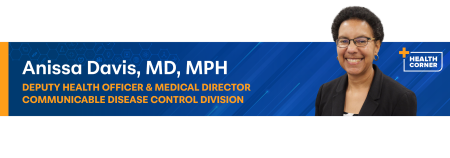
About Dr. Anissa Davis
Dr. Anissa Davis graduated from UCLA and Stanford University School of Medicine. She completed her family medicine at Long Beach Memorial Medical Center, and is board certified in Family Medicine. She also completed a Preventive Medicine Residency and a master’s degree in public health (MPH). She is the Medical Director for the OC Health Care Agency’s (HCA) Communicable Disease Control Division and Deputy Health Officer for the HCA. She worked in primary care, caring for infants, children and adults for more than 10 years. In addition, she has worked in local public health agencies for a decade.